An Integrated Structure for Accountability and Protection
In response to the escalating human rights crisis in Burma/Myanmar and the increasing complexity of operating in a conflict environment, the Chin Human Rights Organization (CHRO) restructured its programs into two core divisions:
1. Human Rights Division
2. Humanitarian Division
This restructuring strengthens institutional clarity, enhances operational accountability, and allows CHRO to scale its work responsibly while maintaining strict adherence to international human rights standards and humanitarian principles.
The dual-division structure ensures that:
- Documentation and accountability work remain independent, evidence-based, and legally sound.
- Humanitarian response is delivered through a rights-based framework that protects civilian dignity and safety.
- Programmatic growth is strategically aligned with international accountability mechanisms and community resilience needs.
- Risk management, compliance, and partner coordination are strengthened in a volatile operating environment.
By separating yet coordinating these two pillars, CHRO preserves the integrity of its human rights mandate while expanding life-saving humanitarian assistance to conflict-affected communities.
Together, these divisions form an integrated institutional model linking documentation, justice, governance strengthening, and civilian protection.
The Human Rights Division
Human Rights Documentation & Accountability
Protecting Evidence. Advancing Justice.
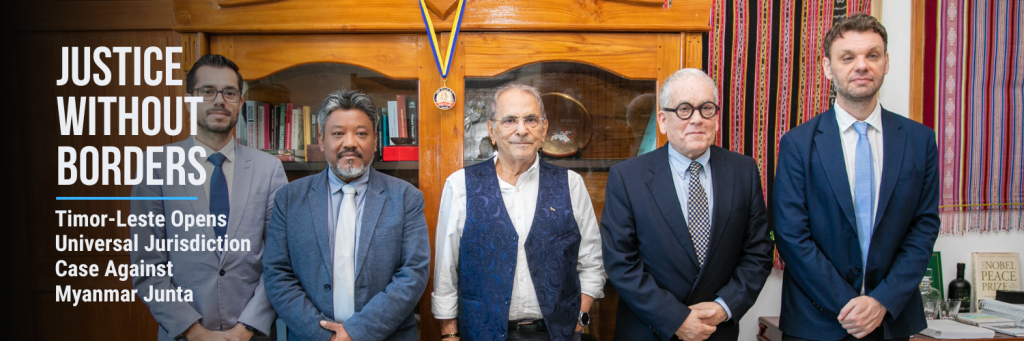
CHRO conducts systematic documentation of war crimes, crimes against humanity, and serious human rights violations affecting ethnic and religious minorities.
Core Activities:
- Field-based documentation and verification of violations
- Evidence preservation and secure data management
- Legal analysis and case file development
- Engagement with international accountability mechanisms
- Support to Universal Jurisdiction initiatives
Impact:
- Contributions to international investigations and accountability pathways
- Strengthened evidentiary foundations for justice processes
- Increased international attention to violations in Chin State and surrounding regions
CHRO’s documentation work ensures that crimes are not erased, victims are not silenced, and pathways to justice remain viable.
Federal Democracy, Local Governance & Civil Society Strengthening
Building Institutions for an Inclusive Future
Durable peace in Burma requires federal democratic structures rooted in ethnic states. CHRO supports governance initiatives that promote rule of law, minority rights protections, and accountable local institutions.
Core Activities:
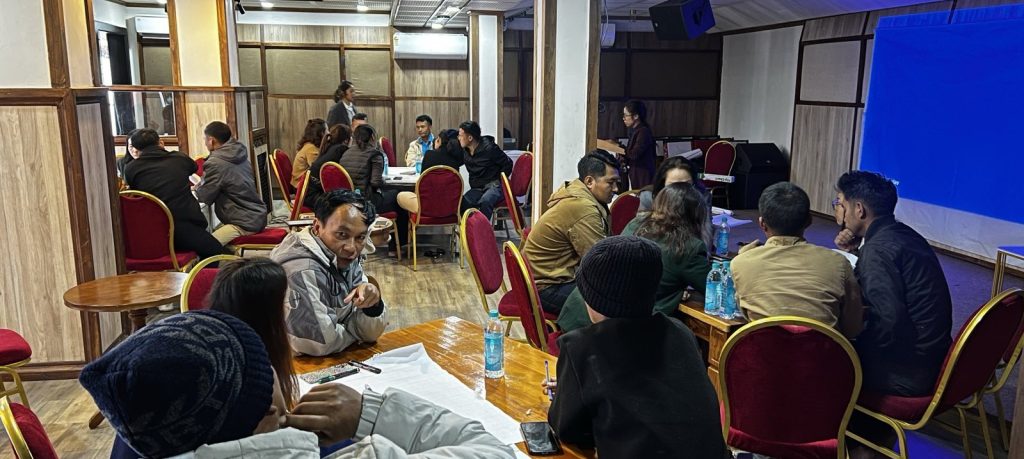
- Federalism education and awareness programs
- Technical support for emerging local governance actors
- Policy engagement on minority rights protections
- Capacity strengthening for civil society institutions
Impact:
- Strengthened institutional capacity at state and community levels
- Enhanced participation of ethnic minorities in governance processes
- Promotion of inclusive and rights-respecting federal principles
Our governance work lays the foundation for a future Burma grounded in equality, accountability, and local autonomy.
The Humanitarian Division
Saving Lives While Safeguarding Dignity
CHRO implements cross-border humanitarian programs in partnership with local actors to respond to displacement, food insecurity, and protection risks.
Our humanitarian approach integrates protection and accountability considerations — ensuring assistance does not compromise rights or security.
Core Activities:
- Emergency relief and community resilience support
- Protection monitoring and risk mitigation
- Health access and community safety initiatives
- Capacity building for local response networks
Impact:
- Improved safety and resilience for conflict-affected communities
- Strengthened cross-border protection coordination
- Increased community capacity to respond to crises
Humanitarian action, when grounded in rights and accountability, strengthens long-term stability.
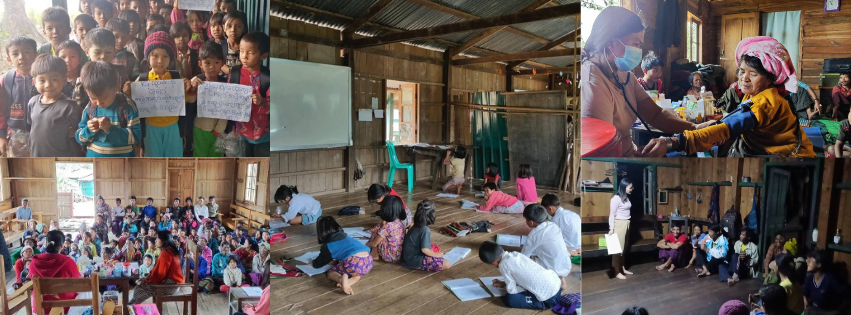
The Emergency Response and Community Resilience Unit provides rapid, life-saving assistance to communities affected by conflict and displacement, while building their capacity to withstand future crises. This unit focuses on immediate relief, such as food, shelter, and essential supplies, while fostering long-term resilience through community-led initiatives.
The Health and Protection Unit ensures access to essential healthcare and safeguards vulnerable populations, particularly women, children, and the elderly. It addresses critical health needs and promotes protection from violence and exploitation, integrating a rights-based approach into all aspects of humanitarian assistance.
International Advocacy & Strategic Engagement
Elevating Community Voices to Global Forums
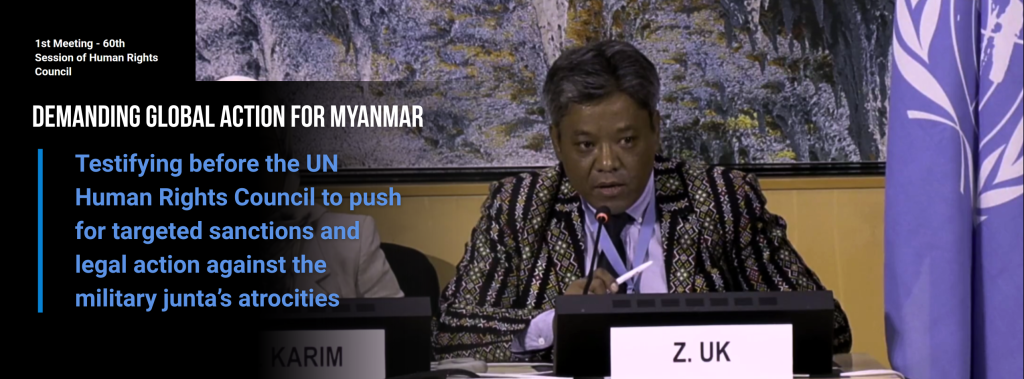
With United Nations ECOSOC Special Consultative Status, CHRO engages governments, multilateral institutions, and regional actors to advance coordinated international responses.
Core Activities:
- Formal engagement with UN human rights mechanisms
- Policy advocacy with governments and regional institutions
- Strategic partnerships with faith-based and civil society networks
- Publication of thematic reports and briefings
Impact:
- Increased international scrutiny of atrocity crimes
- Policy influence supporting accountability and sanctions
- Expanded diplomatic recognition of ethnic minority rights
Our advocacy ensures that global policy decisions are informed by realities on the ground.
Institutional Growth & Compliance
As CHRO’s programming has expanded in scale and geographic reach, the organization has strengthened its institutional systems to ensure transparency, accountability, and responsible stewardship of resources. The restructuring into two core divisions reflects a commitment to clear functional separation, risk mitigation, and adherence to international humanitarian and human rights standards. CHRO maintains internal financial controls, secure data management protocols, and safeguarding policies designed to operate effectively in complex conflict environments. These measures enable the organization to manage diversified funding streams while upholding compliance with donor requirements and international best practices. Institutional strengthening remains an ongoing priority to ensure sustainability, operational integrity, and long-term impact.